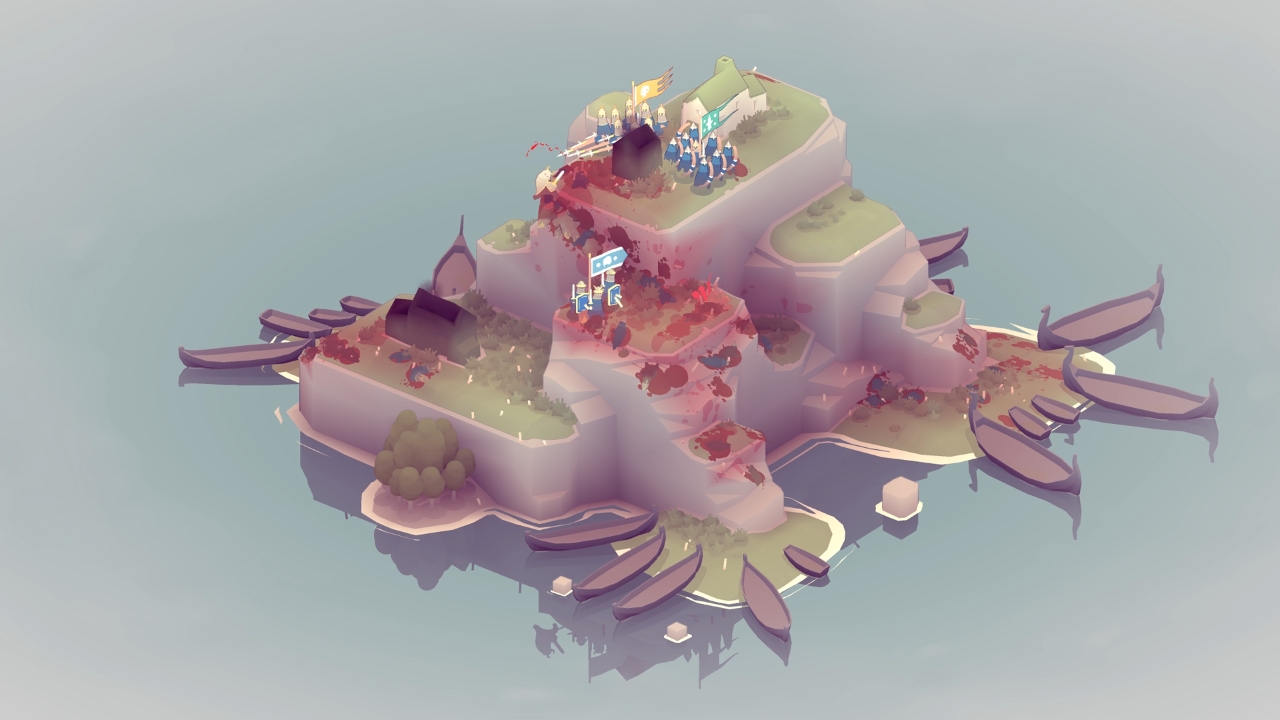
History of Video Games – The First Video Game Ever Made?
An in-depth look at the origins of video games, tracing the debate over which title truly deserves the title of the first video game ever created. A must-read for retro-gaming enthusiasts.
Articles discussing video game history, benefits, and system recommendations. Explore insights on where gaming began, how it can be a positive force, and what to consider when choosing your next setup.
The relationship between video games and tabletop board games runs deeper than many realize. Both forms of interactive entertainment share core design principles centered on player agency, meaningful choices, and clear win conditions. Many modern board games borrow mechanics popularized by early video games, such as resource management, real-time action phases, and hidden information. Conversely, numerous digital titles draw inspiration from the tactile social dynamics of sitting around a table with cards and tokens. For an indie studio like Dark Flight Games, understanding this crossover enriches the design process, allowing ideas to flow freely between physical and digital spaces without losing sight of what makes each format special.
When considering a new gaming setup, whether for digital or tabletop play, the most important factor is how the system supports the experience you want to have. A console or computer optimized for strategy games offers different advantages than one built for fast-paced action. Similarly, a board game collection benefits from variety in player count, play time, and complexity level. The goal is not to chase the latest hardware or the heaviest rulebook, but to find tools that enable memorable sessions with friends. A thoughtful approach to choosing your next system, digital or otherwise, leads to more consistent and satisfying play over time.
Video games have been a positive force in countless lives, offering more than just entertainment. They build problem-solving skills, encourage creative thinking, and provide safe spaces for social connection. Cooperative digital experiences teach teamwork and communication in ways that translate directly to tabletop cooperative board games. Both mediums allow players to explore roles and scenarios outside their everyday experience, fostering empathy and perspective. For those who may struggle with face-to-face interaction, online gaming communities and local board game meetups alike offer structured environments where shared goals and clear rules reduce social friction and promote inclusion.
The history of gaming stretches back much further than the digital age. From ancient abstract strategy games to the card games that evolved into modern collectible and deck-building formats, the impulse to play is deeply human. Video games represent the latest chapter in this long tradition, adding layers of automation, immersive audiovisual presentation, and global connectivity. Yet the fundamental appeal remains unchanged: the satisfaction of overcoming a challenge, the joy of discovery, and the bonds formed through shared play. Understanding this lineage helps both designers and players appreciate that every new release, whether a video game or a board game, stands on the shoulders of countless earlier innovations.
An in-depth look at the origins of video games, tracing the debate over which title truly deserves the title of the first video game ever created. A must-read for retro-gaming enthusiasts.

Gaming isn't just entertainment. This article explores the cognitive, social, and educational benefits that PC and video gaming can offer players of all ages.

Practical strategies for maintaining a healthy relationship with gaming. Learn five essential approaches to prevent stimulus addiction and keep your gaming habits balanced.

A straightforward guide to evaluating video game systems. Covers key factors like game libraries, performance, budget, and what matters most for your play style.